Introduction
Dancing isn't merely an art form; it's a language that transcends words, emotions that flow through the rhythm of music, and a cultural phenomenon that unites people across the globe. For many, the question arises: “Can anyone become a professional dancer?” This query often comes bundled with uncertainty and self-doubt. As someone passionate about dance and its myriad forms, I'm here to shed light on this topic and dispel any lingering doubts.
In this comprehensive exploration, we'll tackle the intricacies of professional dancing, including what it takes to succeed in this demanding field. We'll delve into various paths one can take to become a professional dancer, the role of dance studios, and how dedication can transform dreams into reality. So grab your dance shoes and let's dive in!
Can Anyone Become a Professional Dancer? Dispelling Doubts!
When pondering whether anyone can become a professional dancer, one must consider several factors. While some may argue that talent is innate, others contend that hard work and determination play crucial roles.
Understanding Talent vs. Dedication
Talent: Natural ability varies from person to person. Some individuals might have an innate knack for movement or rhythm; however, it does not guarantee success.
Dedication: Hard work often surpasses natural talent. Many accomplished dancers attribute their success to countless hours spent training in dance studios and rehearsing.
The Importance of Dance Studios
Dance studios serve as vital environments for aspiring dancers. They offer structured training programs where students learn various styles ranging from ballet to hip-hop. Here’s why they matter:
- Professional Instruction: Qualified instructors guide students and provide feedback. Community Engagement: Dance studios foster connections amongst dancers who share similar aspirations. Performance Opportunities: Many studios organize showcases allowing students to perform in front of an audience.
The Journey Begins: Starting at Any Age
Many believe that you must start young to become a professional dancer; however, that's not entirely true.
Starting Young vs. Late Starters
- Young Starters: Those who begin training at an early age often have more time to refine their skills. Late Starters: Adults can also embark on this journey; determination and intensive training can lead to success regardless of when one begins.
Defining Professionalism in Dance
Being labeled a "professional dancer" encompasses various aspects beyond mere technical skill:
- Commitment: A professional should be dedicated not just during lessons but also outside of them. Versatility: The ability to adapt between genres enriches a dancer's marketability.
Finding Your Style: What Type of Dancer Are You?
Exploring different dance styles is essential for discovering where one fits best within the vast dance landscape.
Popular Dance Styles Explored
Ballet:- Often thought of as the foundation for many dance styles. Emphasizes grace, precision, and discipline.
- Known for its energetic movements and vibrant expressions. Involves lots of improvisation.
- An urban style characterized by street-friendly moves. Focuses on individuality and personal expression.
- Blends elements from multiple styles including ballet and jazz. Often conveys deeper emotions through movement.
- Utilizes metal-tipped shoes to create rhythmic sounds. It’s both an art form and musical performance.
- Encompasses partner dances like the waltz or tango. Requires synchronization with another person.
Choosing Your Pathway
After discovering your preferred style(s), it's essential to explore potential pathways within those genres:
Professional Performances: Joining companies or troupes specializing in specific dance styles.
Choreography: Creating new works either as part of a collaborative effort or independently.
Teaching: Sharing knowledge by becoming an instructor at local dance studios or community centers.
Training Regimen: What Does It Take?
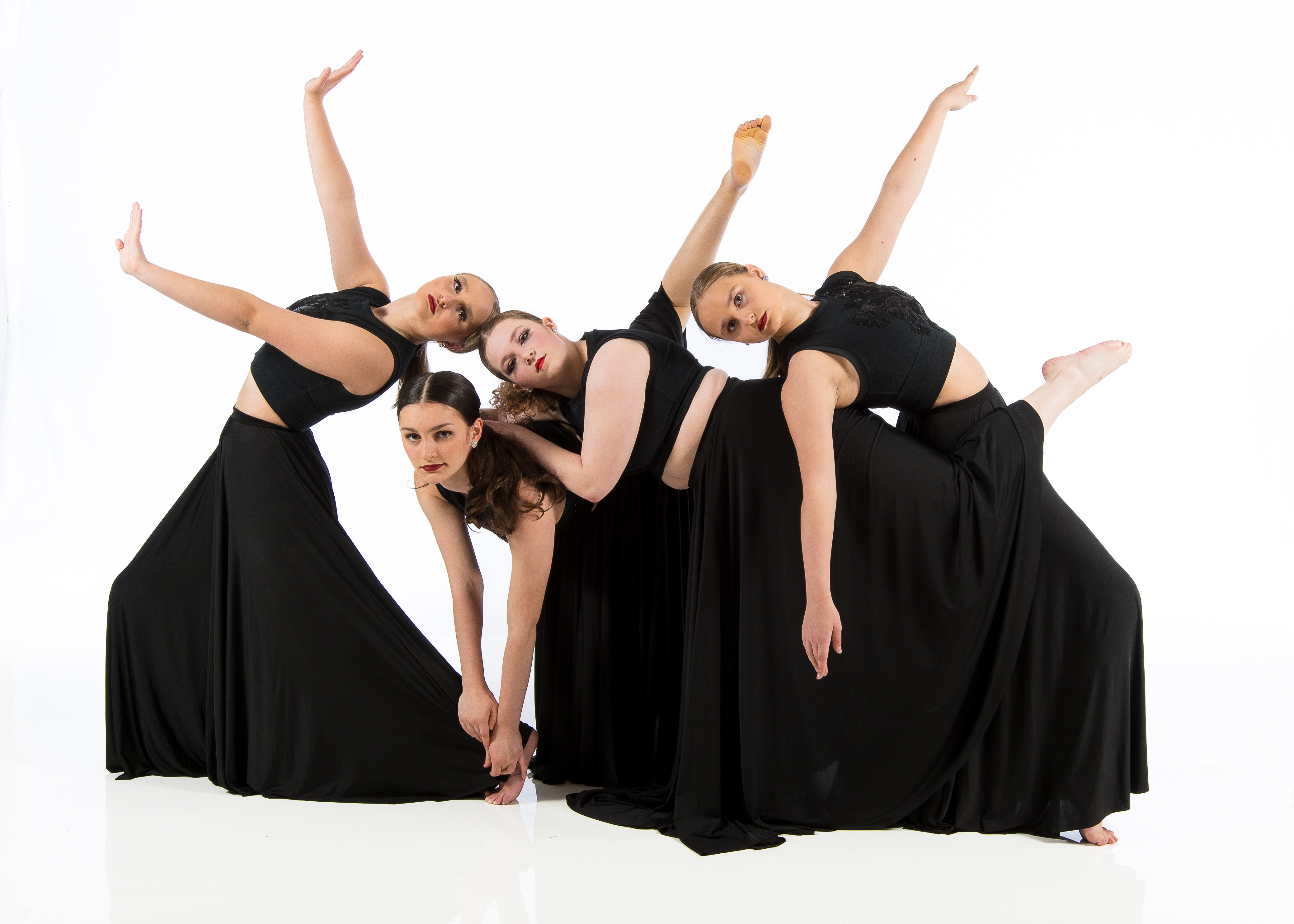
Becoming a professional dancer requires commitment akin to that of an athlete—rigorous training is non-negotiable.
1. Physical Conditioning
A well-rounded fitness routine enhances flexibility, strength, endurance, balance, and coordination:
- Regular stretching routines Strength-building exercises Cardiovascular workouts
2. Skill Development
Dancers should engage in constant learning through classes focusing on technique refinement:
- Attend workshops Participate in masterclasses Take private lessons
3. Performance Experience
Gaining experience through performances is crucial for honing stage presence:
Types of Performance Opportunities
| Type | Description | |-------------------|-----------------------------------------------------------| | Recitals | End-of-year showcases at dance studios | | Competitions | Entering local or national contests | | Community Events | Performing at festivals or charity events | | Professional Shows | Auditioning for paid gigs in theater or television |
Networking Within the Dance Community
Building connections is essential in the competitive world of professional dancing.
1. Building Relationships
Networking opens doors for auditions and collaborations with other artists:
- Attend events Join online forums/groups related to dance Volunteer for productions
2. Seeking Mentorship
Finding mentors who are established professionals can provide invaluable guidance throughout your journey:
How To Find A Mentor?
Reach out through social media platforms like Instagram or LinkedIn. Attend workshops where industry leaders teach. Approach instructors at your local dance studio for recommendations.The Role of Auditions in Becoming a Professional Dancer
Auditions are integral parts of establishing oneself as a professional dancer—they're both nerve-wracking yet exhilarating experiences!
1. Preparing for Auditions
Preparation is key; here are some tips:
- Warm-up thoroughly before auditioning Research the company/production you’re auditioning for Prepare any required materials (headshots/resumes)
2. During The Audition
Keep these points in mind while you're showcasing your talent:
- Be confident but not arrogant Show versatility—adapt quickly if asked to change styles Listen carefully to instructions given by judges
The Financial Aspect: Can You Make A Living as A Dancer?
Many aspiring dancers worry about financial stability—let’s break down what it entails!
1. Potential Earnings
Earnings vary based on experience level, location, type of employment (freelance vs fixed positions), etc.:
Average Salary Ranges (USD)
| Type | Salary Range | |-----------------------------|---------------------| | Dance Company Member | $30k-$80k | | Choreographer | $40k-$100k | | Dance Instructor | $25-$75 per hour |
2. Diversifying Income Streams
Most professionals diversify their income through different avenues such as teaching classes or choreographing shows alongside performing!
FAQs About Becoming A Professional Dancer
FAQ 1: Do I need formal training?
Yes! While natural talent helps tremendously, formal training provides essential skills needed for versatility and professionalism in dancing.
FAQ 2: Can older adults learn dancing professionally?
Absolutely! While starting young has its advantages, older adults possess life experiences that often enhance their performances significantly!
FAQ 3: How do I choose the right dance studio?
Look for studios offering diverse class offerings taught by experienced instructors; consider visiting their classes first!
FAQ 4: Is there competition among dancers?
Yes! Competition exists but should be viewed positively—it pushes us all toward excellence!
FAQ 5: How important is stage presence?
Crucial! Stage presence engages audiences emotionally—it sets apart good performances from unforgettable ones!
FAQ 6: What if I don't get cast after auditions?
Rejection happens even among seasoned professionals—keep refining your skills while staying positive about future opportunities!
Conclusion
By now it should be clear that anyone—with enough passion, commitment, resilience—and willingness can pursue becoming a Doty Performance reviews professional dancer irrespective of age or background! Remember this journey is unique; each person's path will differ but ultimately leads toward fulfilling artistic expression found only through movement! Whether you're twirling across stages worldwide or sharing your knowledge with others at local dance studios—the possibilities are endless when we remove self-doubt from our equation!
So lace up those shoes because your dream awaits!